Real Betis Pressure Turns Nico Raskin Price Into Rangers Test
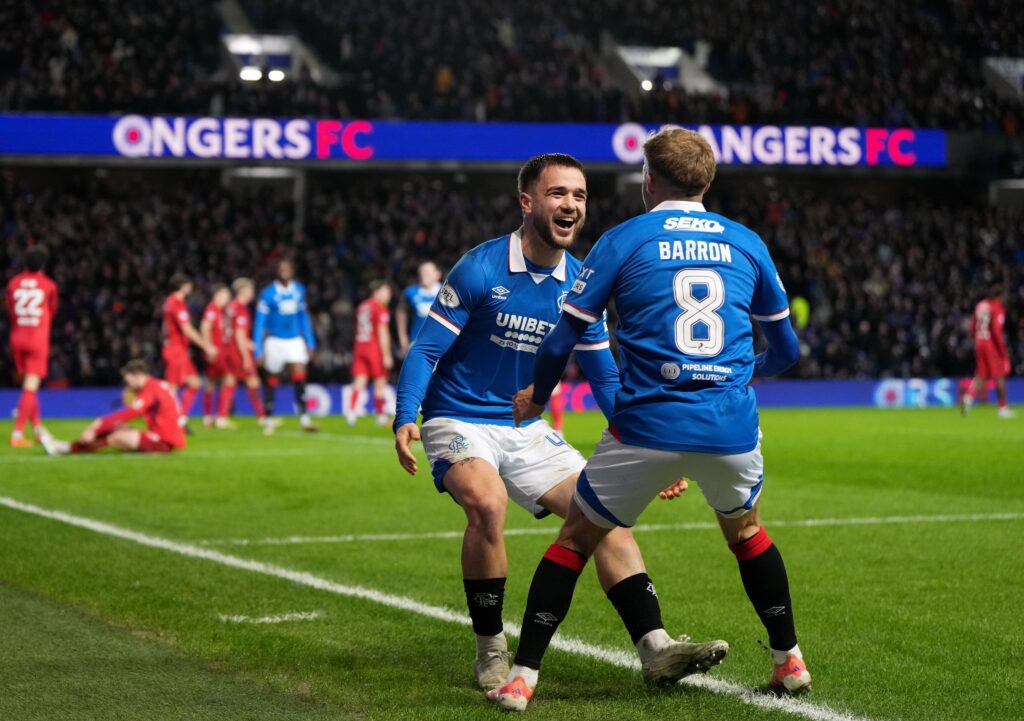
Nico Raskin has become more than a midfielder Rangers may or may not sell. He is now the clearest test of whether the new Ibrox structure can control a market rather than simply react to it.
The latest pressure comes from Spain. The Scottish Sun reports that Real Betis are confident they can negotiate a deal below Rangers’ reported GBP 20 million valuation, with Hull City also said to have offered around GBP 14 million.
That is the line that matters. Not the noise around the number, not the list of interested clubs, and not even the natural temptation to frame every Raskin update as a simple stay-or-go debate.
The real question is whether Rangers can make a powerful asset decision early enough, firmly enough and intelligently enough to help Derek McInnes build a stronger team before competitive football narrows the margin for error.
Betis Have Targeted The Weak Point In The Negotiation
Betis’ confidence is not accidental. It targets the area where Rangers have too often been tested: the gap between public valuation and practical leverage.
Raskin’s contract position gives Rangers protection. FotMob lists his deal as running until May 2028, which means this should not be a forced-sale situation. That matters because the Spanish interest is being pitched beneath the valuation Rangers are understood to want.
If Betis believe they can pull the price down, Rangers must decide quickly whether that belief has any foundation. A soft response would invite the same problem from the next club.
| Raskin marker | Current significance |
| Reported Rangers valuation | GBP 20 million line gives the club a clear market position |
| Reported Hull City offer | GBP 14 million creates a visible lower benchmark |
| Contract status | Deal listed until 2028 gives Rangers leverage |
| World Cup profile | Belgium visibility keeps the player in a wider European conversation |
This is why the next few weeks are so important. A valuation only works if the club behaves like it believes in it. Once suitors sense that Rangers are prepared to compromise early, the negotiation stops being about the player and starts being about how much pressure the selling club will absorb.
Rangers cannot let that happen with one of the few squad members whose value has grown dramatically since arrival.
Raskin Has Earned A Premium Argument
The case for a major fee is not built on one tournament, one run of domestic form, or one interested club.
Raskin has built a portfolio. Rangers’ own World Cup profile noted that he made 50 appearances across the season, played more than 4,000 minutes, featured more than any other outfield player, and collected the John Greig CBE Achievement Award.
That is not background decoration. It is the core of the valuation.
Midfielders with durability, international exposure and multiple tactical roles are expensive because they reduce recruitment risk. Raskin can operate deeper for Belgium, carry the ball through pressure for Rangers, press aggressively, and still contribute enough around the box to avoid being viewed as a one-phase player.
FotMob’s 2025/26 Premiership data credits him with six goals, seven assists, 2,785 league minutes and a 7.55 average rating. Their profile also places him primarily as a defensive midfielder, with central midfield as a secondary role.
That blend explains why the market is forming. It also explains why a low-ball negotiation should not be treated as flattery.
Rangers have spent years needing to become better at selling from a position of strength. Raskin is exactly the kind of player who should prove that change. He was signed from Standard Liege for a modest fee, grew in value, became a senior Belgium international and now has clubs from stronger leagues circling.
That is the model. The mistake would be reaching that point and then blinking.
The World Cup Has Changed The Rhythm Of The Deal
The tournament has added a second clock to the transfer. Belgium’s 5-1 win over New Zealand sent them into the knockout stage, with The Guardian reporting that they topped Group G on goal difference.
For Rangers, that keeps Raskin inside an international spotlight at the same time McInnes needs his squad shaped. The longer Belgium remain involved, the more the player’s market profile can move without the manager having him available for normal pre-season assessment.
That is both opportunity and danger.
The opportunity is obvious. Every additional layer of exposure strengthens Rangers’ argument that Raskin is not a distressed asset. He is a 25-year-old Belgium international with a long contract and a heavy-minutes season behind him.
The danger is timing. A player sale that looks attractive in late June can become operationally awkward in late August. Money has less impact when selling clubs know Rangers have received it, targets are already committed elsewhere, and McInnes is preparing for league and European football with a reshaped midfield still settling.
That is where Rangers need a hard internal deadline. If Betis, Hull, Atalanta, Bologna or anyone else wants Raskin, the demand should be simple: meet the line early, or leave Rangers to prepare with him.
McInnes Cannot Let The Midfield Drift
Raskin’s importance is sharpened by the state of the rebuild. McInnes has returned to Rangers with authority to restore standards, but authority needs structure behind it.
He can talk about intensity, hunger and culture. Those things matter. Yet the midfield still needs a clear balance between ball-winning, carrying power, passing security and leadership.
A Raskin exit would remove energy and status. It would also remove a player who gives the team bite when games become stretched. That cannot be replaced by one romantic name or one late-market loan.
The club have already lived through enough reactive windows. A serious Raskin sale should fund a plan, not start a search.
That is why the earlier ReadRangers analysis of the GBP 20 million Raskin line still matters. The number was always about more than the midfielder. It was about whether Rangers could turn an appreciated asset into squad improvement without losing control of the summer.
Betis have now added pressure to that test by suggesting confidence below the ask. That makes the response as important as the offer itself.
The Replacement Question Is Bigger Than One Body
If Rangers sell Raskin, the club cannot simply replace his shirt number and call the midfield complete.
They would need at least two things from the deal. The first is a direct athletic replacement who can cover ground and survive the emotional tempo of Ibrox. The second is a broader improvement in squad balance, because one large sale only makes sense if it lifts more than one weak area.
That is the difference between trading and downsizing.
Trading is uncomfortable, but it has logic: sell at a peak, reinvest early, strengthen the collective. Downsizing is what happens when a club sells quality, accepts market pressure, then scrambles for cheaper compromises.
Rangers supporters will tolerate hard decisions if the plan is visible. They will not tolerate another summer where the best asset leaves and the replacements arrive late, untested or stylistically vague.
For McInnes, the issue is even sharper. His first season cannot be allowed to become a rolling debate over players who might leave. He needs clarity, and he needs it before the tactical work becomes meaningful.
The Verdict: Hold The Line Or End The Conversation
Raskin’s situation is now a credibility test.
If Rangers believe the midfielder is worth around GBP 20 million, they should hold that line. If a club meets it early, a sale can be justified because the player has given Rangers value and the fee can accelerate the rebuild.
If clubs stay beneath it, Rangers should close the discussion and move forward with a player whose contract gives them control.
What they cannot do is drift between those positions. Betis’ confidence is a warning. It tells Rangers that Europe can see a player worth pursuing, but it also tells them that buying clubs will test whether the Ibrox rebuild is as disciplined as it sounds.
Raskin has become the market’s first serious question for McInnes and the new structure around him.
The answer has to be firm.



Comments.
Loading comments…