Rangers have sold the 2026/27 home kit as a return to tradition, but the reaction around one sponsor detail has turned a shirt launch into a small but revealing trust test for Derek McInnes’ new era.
The club’s official launch describes the Umbro strip as built around royal blue, pinstripe detailing and a design that stays true to Rangers’ history. That part has clearly landed. The shirt has a recognisable Ibrox look, a cleaner retro reference and enough restraint to feel more serious than some recent change-for-change’s-sake kit cycles.
The complication is the front of shirt. The Scottish Sun reported supporter frustration with the lighter blue sponsor panel around the Unibet logo, even while many fans praised the wider design. That split matters because this is not really about fabric. It is about whether Rangers can make a new football project feel coherent in every public detail.
Bound By Blue. Introducing your season 2026/27 @umbro home kit, built on tradition and worn with pride. Available in stores and online from Wednesday at 8am.
— Rangers Football Club (@RangersFC) June 23, 2026
Why The Kit Reaction Cuts Deeper Than A Design Debate
A home shirt is one of the few things a club asks supporters to buy with emotion before performance has had its say. That is why the launch tone around tradition is important. Rangers are trying to make the 2026/27 campaign feel like a reset with roots, not another cosmetic restart.
On that level, the shirt does a lot right. Rangers’ own launch copy leans into royal blue, Umbro craft and historical continuity. The official shop page also frames the shirt as a retro-inspired update, with the men’s replica listed at GBP85 and the pro version at GBP115. Those are premium prices, which makes supporter sensitivity around execution perfectly rational.
The dispute over the sponsor block is therefore not trivial nit-picking. It is the sort of detail that becomes louder when fans have spent the past few seasons watching managerial churn, expensive squad errors and inconsistent communication. A shirt can become a shorthand for whether the club is listening.
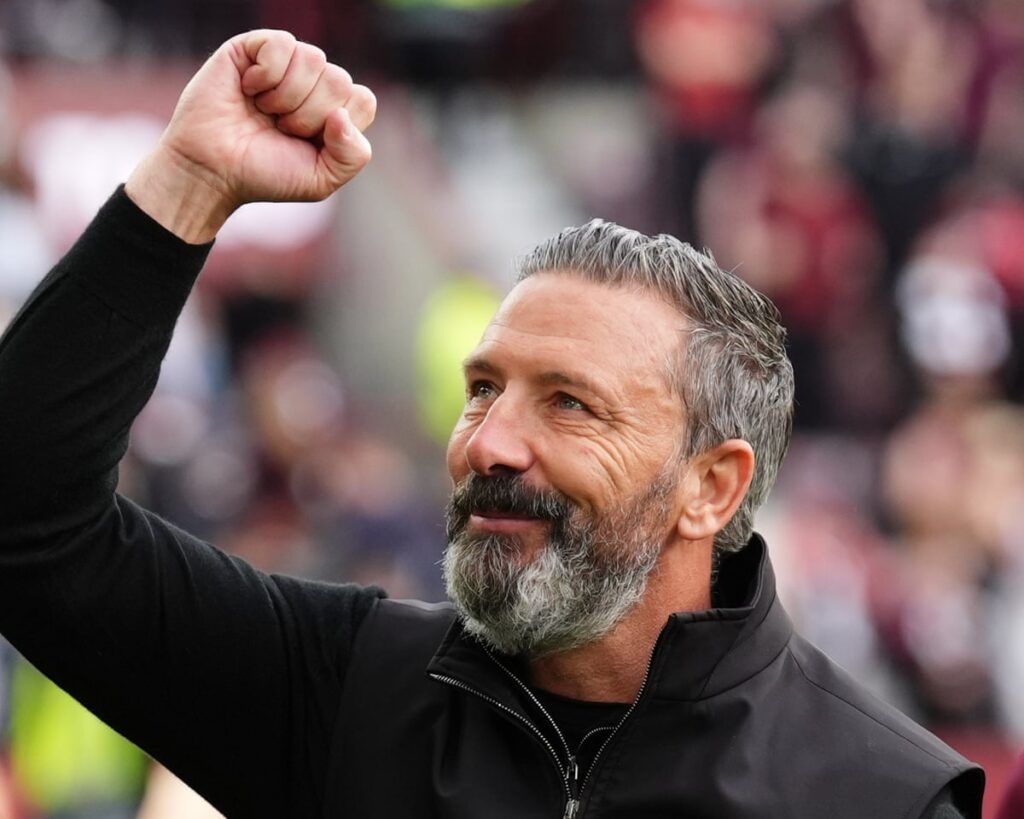
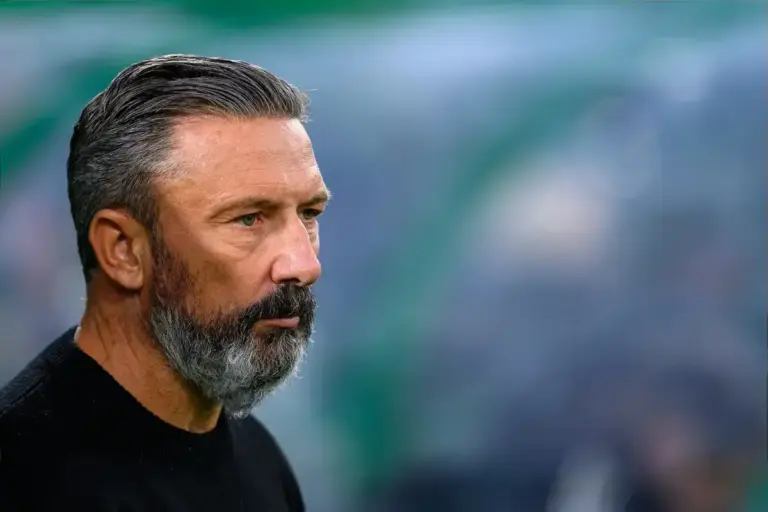
That is where McInnes is pulled into the story, even though he did not design the kit. His early Rangers tenure is being sold on standards, clarity and emotional alignment. If the commercial department is asking supporters to buy into a heritage-led reset, the football department must quickly give the same message on the pitch.
McInnes Needs The Football To Outweigh The Noise
The kit row will not define Rangers’ summer. Recruitment, the Europa League clock and the opening league fixtures will do that. But it adds to the background pressure around a club asking supporters for patience while also asking them to pay heavily into the new era.
That is why the next few weeks carry unusual commercial and football overlap. Rangers have already mapped out key preparation dates, including the Europa League third qualifying round draw on 20 July, while the West Ham friendly at Ibrox sits as a final public checkpoint before the Premiership opener at Dundee United.
If McInnes’ side looks organised, aggressive and recognisably his by then, the shirt argument fades into background noise. If Rangers still look like a club searching for shape, every commercial decision becomes part of a wider complaint.
That is the real lesson from the sponsor-panel backlash. Supporters are not rejecting tradition. They are demanding that the details match the promise. For McInnes, the easiest way to quiet that noise is not a statement. It is a team that looks as deliberate as the club claims its new shirt is.

Comments.
Loading comments…