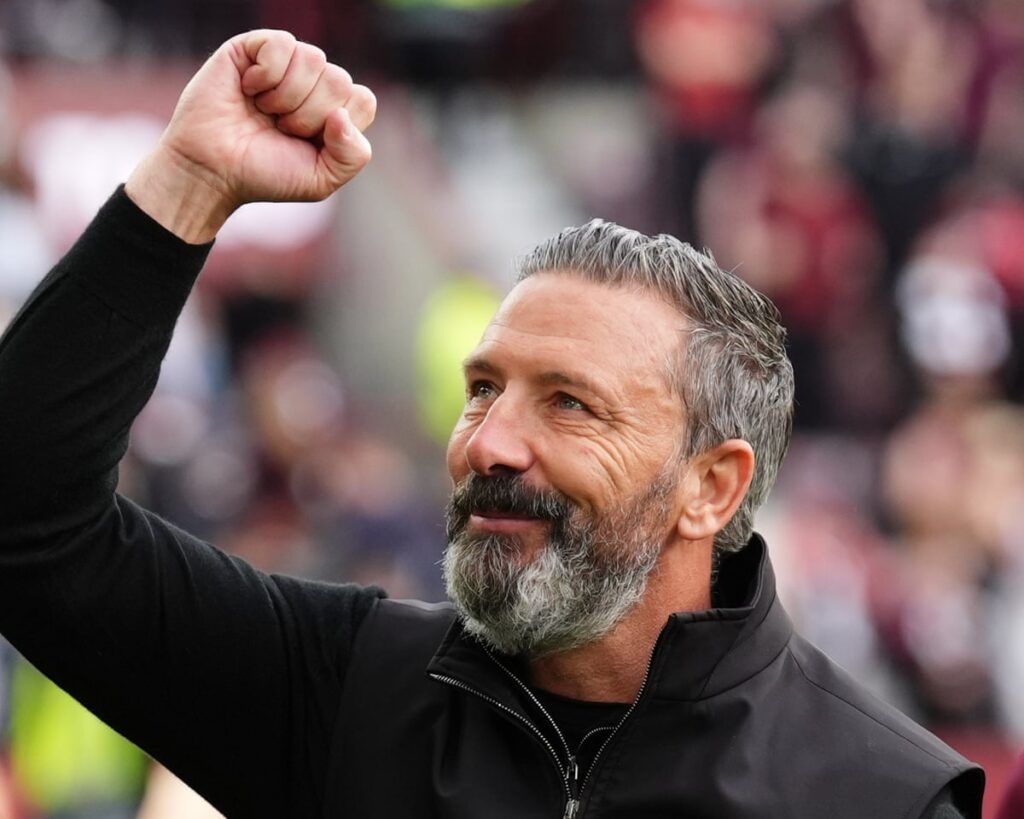
There is a sharp difference between announcing a new era and surviving the first proper audit of it.
Rangers are now entering that gap. Andrew Cavenagh and 49ers Enterprises did not buy into Ibrox on vague romance alone; the club’s own announcement framed the takeover around on-pitch performance, long-term financial sustainability and a committed £20 million investment. That language carries weight because it gives supporters something measurable. It also gives Derek McInnes very little room to hide.
The early business has been deliberately loud. Lawrence Shankland has arrived as a proven domestic scorer. Ross McCrorie has returned with a Rangers education and senior miles behind him. Ben Godfrey brings Premier League and Serie A experience on loan. Ivor Pandur, confirmed on a four-year deal from Hull City, changes the entire goalkeeper conversation.
That is not window dressing. It is the first public test of whether Rangers’ new football structure can turn capital into a sharper, more durable squad before the European calendar starts applying pressure.
We can today announce the signing of goalkeeper Ivor Pandur on a four-year deal from Hull City, subject to international clearance.
— Rangers Football Club (@RangersFC) July 1, 2026
The £20m Promise Has Stopped Being Abstract
The key phrase in the takeover announcement was not just the headline investment figure. It was the claim that the new leadership would build around performance and sustainability. Those two words can pull in different directions at Rangers.
Performance demands urgency. Sustainability demands discipline. McInnes needs a stronger starting XI, but Cavenagh’s board cannot simply create another costly rebuild that leaves the next manager clearing up contracts, wages and half-fits.
That is why the first four arrivals are revealing. Shankland gives Rangers a domestic reference point and a player who should not need six months to understand the emotional temperature of Scottish football. McCrorie adds homegrown connection and positional flexibility. Godfrey is a higher-ceiling defensive gamble without the full immediate transfer commitment. Pandur is the long-term goalkeeper play.
There is a logic there, even if the window still needs more pace, more creativity and probably another centre-back solution before the serious football starts.
| Summer Move | Strategic Purpose | Risk Point |
|---|---|---|
| Lawrence Shankland | Immediate Scottish Premiership goals and leadership | Service must improve quickly |
| Ross McCrorie | Homegrown versatility and dressing-room fluency | Role must be clearly defined |
| Ben Godfrey | Athletic defensive upgrade with option value | Recent loan cycle raises rhythm questions |
| Ivor Pandur | Long-term goalkeeper succession plan | World Cup absence delays full integration |
The table shows the wider point. Rangers are not only buying names. They are trying to reduce the number of excuses available in August.
McInnes Has Been Given Experience, Not A Finished Team
The temptation is to look at the speed of the business and declare the rebuild properly underway. That is only half right.
Rangers have added experience, but McInnes still has to turn it into a coherent side. Pandur is currently with Croatia at the World Cup, which means one of the most important voices in the new back line may miss a valuable chunk of the pre-season rhythm. Godfrey’s arrival gives Rangers defensive athleticism, but a loan with an option to buy still has to become a settled partnership rather than a clever piece of market engineering.
Shankland’s signing is equally fascinating because he changes the scrutiny around the attack. At Hearts, he carried production and responsibility. At Rangers, he has to carry pressure while being judged against silverware standards. If the supply line is too slow, the debate will not stay with the striker for long. It will move quickly towards the recruitment department and the manager’s structure.
That is where the Cavenagh project becomes visible. The board has given McInnes an experienced spine, but it has not yet given him a complete attacking platform. Rangers still need wide threat that can tilt a packed Premiership defence, and they still need midfield control that does not collapse into safe circulation when Ibrox gets restless.
ReadRangers has already looked at the Europa League deadline facing McInnes. The ownership angle makes that deadline more severe. European qualification is not just a sporting target. It is a revenue, perception and credibility marker for a board that has sold supporters on a new standard.
Europe Turns The Ownership Reset Into A Timed Examination
Rangers enter the Europa League at the third qualifying round, with the draw set for July 20 and ties scheduled for August 6 and August 13. The play-off round, if required, follows later in August. That timeline leaves little space for slow chemistry.
It also leaves little space for recruitment drift. A player signed in late July may help across the season, but he may not be ready to define the first European tie. A player signed after the first leg may be irrelevant to the result that shapes the club’s autumn.
This is the hidden cost of failing to finish second last season. Rangers are rebuilding with a new manager, a new ownership structure and a changed squad while also having to protect European income before the Premiership narrative has even settled.
For Cavenagh and 49ers Enterprises, this is precisely the kind of operational window that separates slogans from strategy. The club has not been short of ambition in recent years. It has been short of repeatable execution.
McInnes will be judged on points, but the board will be judged on sequencing. Did they sign the right players early enough? Did they clear the right wages quickly enough? Did they protect the manager from obvious structural weaknesses before the first serious European test?
The Dressing Room Test Is As Important As The Spend
The spending figure matters, but the tone of the dressing room may matter more. Rangers have too often looked like a club trying to buy certainty after losing control of its standards. McInnes has been hired partly because he understands the domestic environment and partly because his teams usually carry a recognisable edge.
That edge now has to appear inside a squad being rebuilt at speed. Shankland and McCrorie understand the local demands. Godfrey has operated in bigger leagues. Pandur arrives as a goalkeeper with upward momentum after Hull’s promotion campaign. The mix is promising, but it will only work if senior players accept the manager’s authority quickly.
That is why this summer cannot be measured purely by fees, wages or contract length. Rangers need signings who reduce noise. They need players who make Ibrox feel less anxious, not more reactive.
The First Verdict Will Come Before The Window Closes
The danger for Rangers is assuming the summer can be judged at the end of the market. In reality, the first verdict will arrive before the transfer window shuts.
If Pandur settles quickly, Godfrey gives the defence authority, McCrorie adds balance and Shankland starts scoring, the £20m promise will feel like a practical football plan rather than takeover theatre. If the team looks disjointed in Europe, the same investment will be questioned immediately, even if more deals follow later.
That is the brutal economy of Rangers. Supporters do not reject long-term planning. They reject long-term planning that looks suspiciously like short-term underperformance with better branding.
Cavenagh’s strongest line on takeover day was that history does not win matches. He was right. The harder truth is that investment does not win them either unless it is converted into timing, clarity and authority on the pitch.
McInnes now has the first pieces of his Rangers side. The board has made its first visible show of backing. The next month will reveal whether this is the start of a serious performance culture, or simply another expensive reset forced to learn under floodlights.
At Ibrox, the audit has already started.

Comments.
Loading comments…