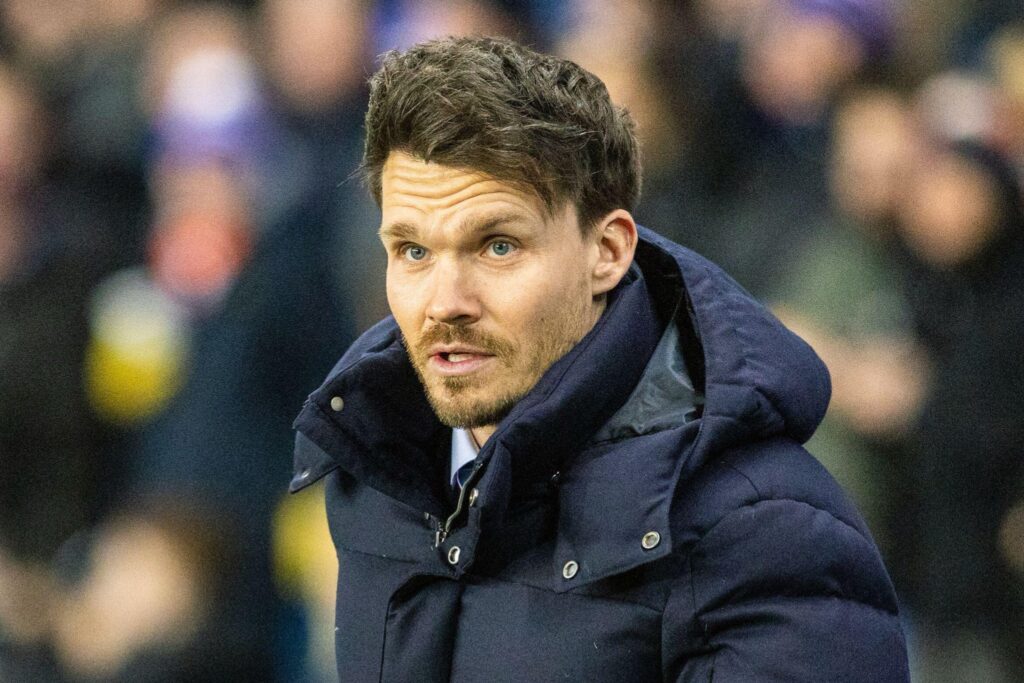
There are exits that fade quickly. Danny Rohl’s departure from Rangers was never likely to be one of them.
The German coach has now sharpened the aftertaste around his Ibrox exit by explaining, from the safety of Red Bull Salzburg, why his new environment feels different.
According to the Daily Record, Rohl has pointed to Salzburg’s “clear identity”, the presence of sporting director Marcus Mann and a stronger sense of alignment inside the Austrian club.
That is not merely a quote for the old-manager archive.
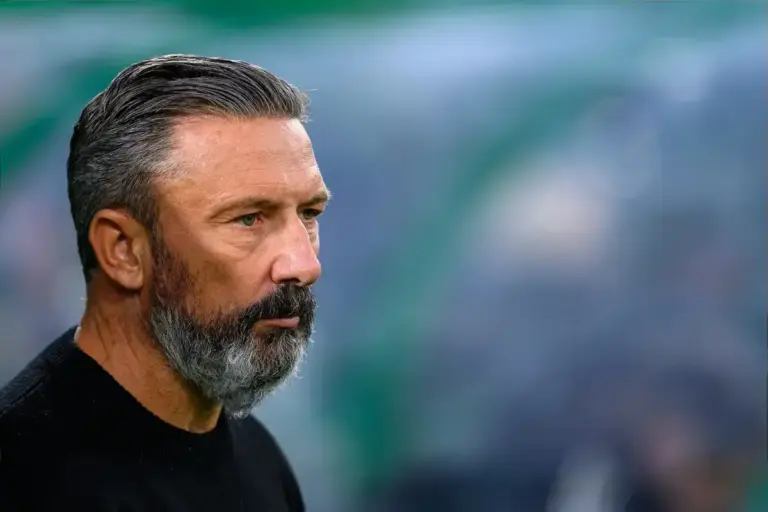
It lands directly on the desk of Derek McInnes, Andrew Cavenagh and every senior football decision-maker now trying to sell Rangers supporters a cleaner, harder, more competent rebuild.
Rohl did not need to name every Ibrox flaw for the message to be understood. His contrast was structural.
Salzburg, by his remarks, have clarity. Rangers, by implication, asked too much of the head coach in a system that still needed definition.
Despite the tabloid presentation, this should not be interpreted as a personal parting shot. It’s a stress test for the incumbent Rangers regime to monitor and get right.
Danny Rohl Has Reopened The Real Rangers Question
The temptation is to treat Rohl’s comments as score-settling from a manager who left after Rangers finished third and then watched the club install McInnes. That would be too easy.
The more useful reading is harsher and the argument is a valid one.
Rohl has put language around the very issue Rangers have been trying to fix – Who leads the football operation? What is Rangers style? What is the overall plan, now that the Cavenagh-led regime is already onto its third head coach/manager within a year?
Can the club stop lurching between ideas?
Red Bull Salzburg’s own introductory material framed Rohl’s arrival around “high quality and ambition”. The club also confirmed him as head coach on a contract running until summer 2029, giving him both a platform and a defined chain of command.
That is the part Rangers cannot brush aside. Salzburg’s football model is not perfect, but it is coherent.
It has an established recruitment language, a known player-development profile and a sporting director whose remit is not vague. Rohl’s point about working with Mann was not for the sake of it.
He is now a key part in a functioning, established system
McInnes Has More Than A Squad Rebuild To Manage
Derek McInnes has been handed an aggressive opening to the summer, with limited time to assemble a squad to hit the ground running.
Rangers have already added Lawrence Shankland, Ross McCrorie, Ben Godfrey, Ivor Pandur and Dan Neil, with further movement expected.
Yet activity is not the same as control.
McInnes has to get points on the board in the short term, while making the kind of impact that will allow longevity and a decent chance to break the pattern of constant change.
That is what the now-departed German coach is referring to.
Rohl’s Salzburg comparison raises the bar because it asks whether Rangers now have the football department to answer those questions before they become public problems, again.
McInnes can set standards, but he cannot be the only standard-setter. He can demand mentality, but mentality is easier to build when recruitment, performance and everything else align in the same direction.




Comments.
Loading comments…