“`html
Derek McInnes Fear-Factor Demand Sets Rangers Standard
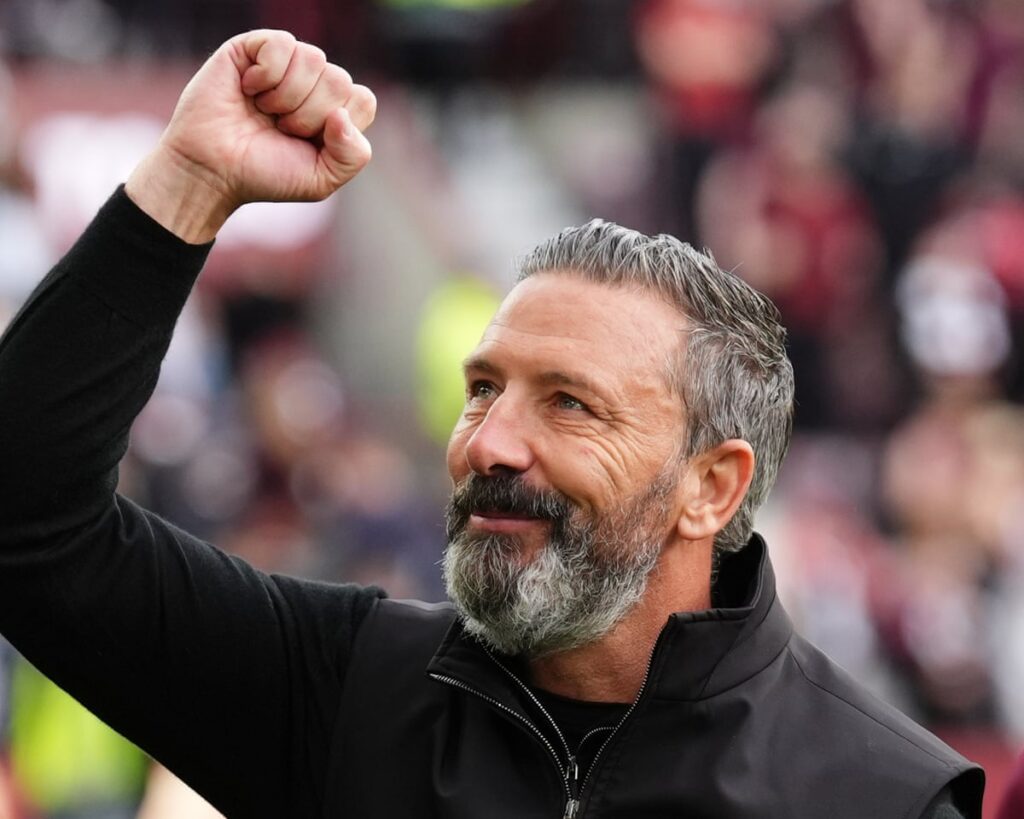
Derek McInnes did not need a slogan to announce the scale of his Rangers job. The most revealing line from his first Ibrox media duties was sharper than that: the manager wants opponents to feel uncomfortable again.
That sounds simple until it is stripped back. Rangers have not merely been short of points in recent seasons. They have too often been short of authority. Too many domestic games have drifted into the same pattern. A slow start, an anxious stand, an opponent growing into the occasion, and the home side trying to recover control after already surrendering the emotional temperature of the match.
McInnes has framed the issue directly. In his unveiling, covered by Sky Sports, he spoke about making teams “struggle” at Ibrox and restoring a fear factor that has not always been visible. Rangers’ own interview with the new manager also underlined how strongly the board’s ambition, led by Andrew Cavenagh and Jim Gillespie, helped convince him that the timing was right.
The demand now moves from the press room to the dressing room. If Rangers are going to become a proper title force again, McInnes has to build a side that looks comfortable with the weight of the place rather than occasionally diminished by it.
Derek McInnes says he wants Ibrox to regain its fear factor.
— Rangers Review (@RangersReview55) June 24, 2026
The fear-factor line is really a recruitment brief
The easy reading is that McInnes was talking about tempo: press higher, tackle harder, get the ball forward earlier, make the first 15 minutes at Ibrox feel like a siege. That will matter, but it is only the surface of the argument.
The deeper point is recruitment. Rangers cannot restore domestic dominance by collecting talented players who need months to understand the environment. The club needs footballers who can treat pressure as fuel, not as noise. That is why McInnes’ language around identity and intensity should be taken as a transfer filter as much as a tactical statement.
The Scottish Sun has reported the broader context around his talks with Cavenagh, the transfer planning already under way, and the need to reshape a squad that has been too easy to read in certain domestic fixtures. Lawrence Shankland has already arrived. Ross McCrorie has been heavily linked with a return. Nico Raskin’s future has become part of a wider valuation conversation.
Those individual cases are different, but the theme is consistent. McInnes wants a Rangers side with a stronger Scottish Premiership spine, more emotional durability, and less tolerance for passive football. That does not mean every signing must know the league already. It does mean every signing must pass the Ibrox test before they pass the highlight-reel test.
That is the first real challenge for the football department. Rangers have spent too many windows chasing theoretical upside while the immediate team lacked the basic force required to control league games. McInnes will not get the luxury of a slow cultural rebuild. The recruitment team has to give him players who can be used immediately, particularly in the defensive line, central midfield, and wide areas.
Ibrox authority cannot be staged in pre-season
Pre-season will offer the first public clues, but it will not provide final evidence. Rangers’ friendly against West Ham at Ibrox on July 25, already covered on ReadRangers, gives McInnes a useful late test before the league opener at Dundee United on July 31. It is an attractive fixture, but friendly intensity rarely reveals whether a team can handle the real stress of a title race.
The meaningful examination comes when a mid-table Premiership side sits deep for 25 minutes, hears the crowd grow edgy, and starts to believe it can nick something. That has been the danger zone for Rangers. Not the big nights, not always the fixtures with the obvious emotional charge, but the routine games that become difficult because the first goal does not arrive on schedule.
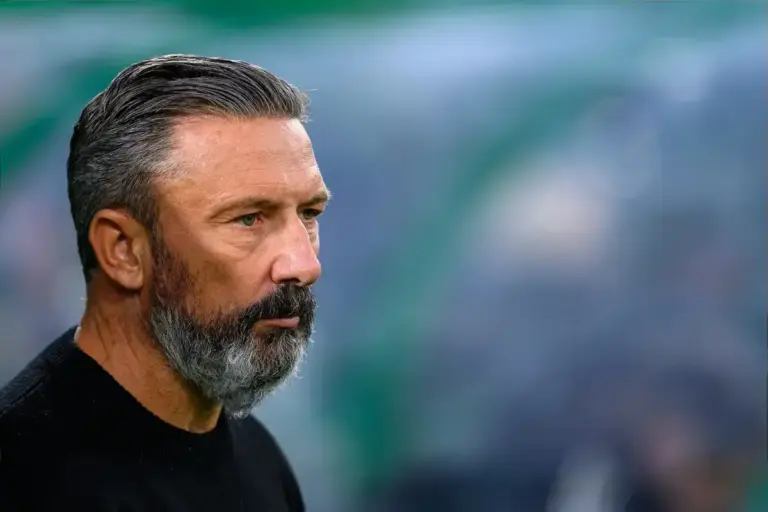
McInnes’ Hearts side last season showed exactly why Rangers moved for him. They were organised, awkward, resilient, and capable of dragging games toward their own strengths. The irony is clear enough: Rangers now need him to stop other clubs doing to them what his Hearts side did so effectively to others.
That requires more than a home atmosphere. It demands coordinated pressure after turnovers, quicker restarts, aggressive second-ball work, and cleaner decision-making from the back. It also demands a midfield that does not retreat into safe passes when the crowd demands incision.
The most important change may be psychological. Rangers have to reach the point where opponents feel a bad five-minute spell at Ibrox can become a lost match. That aura is not created by club history alone. It is created by repeated evidence: fast starts, relentless pressure, ruthless set-pieces, and a front line that punishes loose clearances before the opposition can breathe.
Why Cavenagh’s backing now has to become visible
McInnes has made clear that he has aligned with the new hierarchy’s ambition. Rangers’ official site noted his belief that the hunger from Cavenagh and Gillespie matched his own desire to bring silverware back to the club. That alignment is important, but it will only matter if it becomes visible in squad construction.
This is not simply about spending. It is about sequencing. McInnes needs enough of his key work done before the competitive calendar bites. The opening league game at Dundee United is live on Sky Sports and lands on July 31. A final pre-season friendly on July 25 leaves a narrow window for new players to absorb patterns, settle into the dressing room, and understand what the manager will not accept.
Rangers have been here before: new manager, new language, new promise, familiar impatience. The difference this time is that McInnes is not selling himself as a visionary outsider. He is selling certainty. He knows the club, knows the league, and knows the emotional contract between Ibrox and a Rangers team that is supposed to impose itself.
That familiarity should help him. It also removes hiding places. If his side looks passive, nobody will accept that the manager did not understand the demands. If recruitment drags, nobody will accept that the club did not know the rebuild was urgent. If early home games become anxious, the fear-factor line will return quickly as a measure against him.
The squad does not need to be complete by the first whistle of pre-season, but the core principles must be obvious. Rangers need defenders who defend forward, midfielders who keep asking for the ball when the game gets tense, and attackers who turn dominance into damage. McInnes has to create a team that forces the crowd to believe before asking the crowd to carry it.
The verdict: McInnes has named the standard
The strength of McInnes’ first message is that it was not complicated. Rangers should win. Ibrox should be difficult. Opponents should suffer. Players should understand that quality is only the entry requirement.
That clarity is valuable, but it also accelerates the judgement. Supporters have heard enough long-term talk. They have watched too many resets arrive with polished language and leave with familiar flaws. McInnes has chosen a more direct standard, and that may be exactly what Rangers need.
The first phase of his tenure will not be defined by one marquee signing or one friendly result. It will be defined by whether Rangers look like a side with a harder emotional edge. The home crowd will recognise it quickly if it appears. So will the opposition.
For McInnes, the fear factor is not nostalgia. It is the job description.
“`

Comments.
Loading comments…