“`html
Why Was Derek McInnes Named Manager And Not Head Coach?
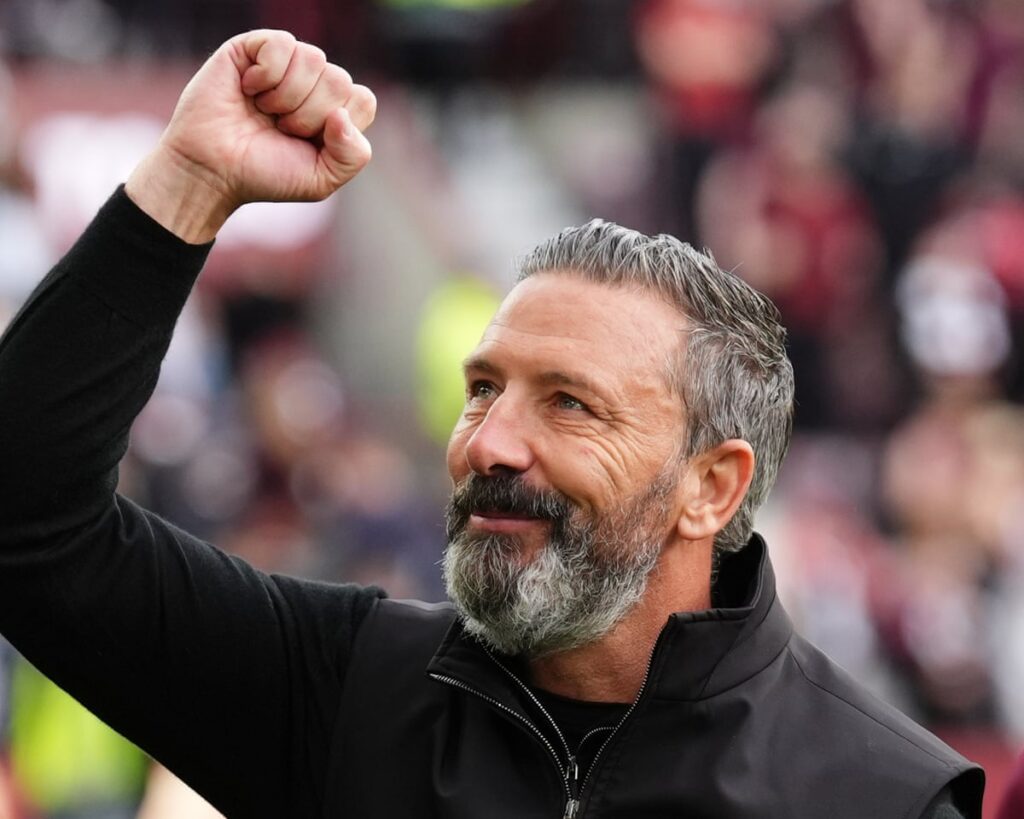
Derek McInnes has not simply inherited a Rangers squad. He faces a test of whether the club’s new power structure can withstand pressure.
This is the real meaning behind the language used around his Ibrox return. Rangers have called him manager, not head coach. This distinction matters because the club is trying to rebuild quickly. Another season was defined by managerial churn, transfer scrutiny, and a title race that left no room for soft decisions.
The appointment has been framed emotionally, and understandably so. McInnes is a former Rangers midfielder, a boyhood supporter, and a coach who nearly reshaped the top of Scottish football with Hearts last season. But sentiment is only the starting point. The bigger question is whether Rangers have built the right operating model around him.
Rangers’ announcement stressed that McInnes has signed a three-year contract. He is expected to drive the team back towards sustained success. The manager spoke about the need to meet and exceed supporter expectations in his first club interview via Rangers.co.uk. Sky Sports reported that his first league match will be away to Dundee United on July 31. This gives him a brutally short runway before the new campaign begins.
As our player in 1995. As our manager in 2026. Derek McInnes.
— Rangers Football Club (@RangersFC) June 24, 2026
The title change is more than nostalgia
On the surface, restoring the manager title looks like a nod to Rangers tradition. At Ibrox, that word carries a different weight. Walter Smith and Dick Advocaat did not merely coach sessions. They shaped standards, dressing-room tone, recruitment thinking, and the daily temperature of the club.
McInnes has embraced that inheritance without pretending it guarantees anything. He knows Rangers memory can be both a weapon and a burden. The club’s official interview placed that responsibility clearly: this is about performances, recruitment, and building a team that looks recognizably like a Rangers side every week.
The structure around him now deserves proper scrutiny. Chief executive Jim Gillespie explained through the club’s channels that McInnes will operate within a leadership group. This includes technical director Dan Purdy, performance director Stig Inge Bjornebye, and the executive board, including Andrew Cavenagh and Paraag Marathe. Rangers confirmed that Bjornebye will oversee performance, medical, and analysis departments. He retains strategic responsibility for the academy and a place in transfer activity oversight on the club website.
In plain terms, McInnes is being handed the emotional authority of a Rangers manager, but not a blank cheque or a one-man football department. That is not automatically a problem. In modern football, the strongest clubs separate responsibilities. Recruitment, data, medical provision, academy alignment, and squad planning cannot all sit inside one office.
The danger comes if the model blurs accountability. Rangers supporters have heard enough about structures over recent years. They will judge this one by whether it helps the first team move quicker, recruit smarter, and play with more conviction, not by how polished it sounds in a boardroom explanation.
McInnes needs speed, not just alignment
The timing is awkward. McInnes has arrived with pre-season already taking shape. Transfer decisions are accelerating, and major squad calls are stacked on top of each other. Read Rangers has already covered how the training return gives McInnes his first immediate test. That is the practical reality behind the broader strategy.
Rangers do not have the luxury of a quiet rebuild. They need defensive clarity, midfield certainty, more reliable attacking output, and a squad profile that can handle both domestic expectation and European qualification pressure. The league opener at Tannadice arrives fast. Every week before then will be measured against Celtic, Hearts, and the ownership group’s promise of higher standards.
This makes the manager-versus-head-coach distinction fascinating. If McInnes is to be held publicly responsible for the team, he must have meaningful influence over the players entering and leaving the building. If Purdy leads recruitment and Bjornebye leads performance infrastructure, the system has to serve the manager rather than slowly negotiate around him.
This is where McInnes’ profile helps. He has spent years working in Scottish football’s most unforgiving spaces: Aberdeen under constant comparison with the Old Firm, Kilmarnock when resources demanded clarity, and Hearts when a title challenge turned ambition into a weekly psychological examination. He understands the domestic market, but he also knows the limitations of signing only familiar names.
Gillespie’s comments on player characteristics were telling. Rangers are not presenting this as a narrow Scottish recruitment drive. The club’s position is that quality comes first, with Scottish understanding used as an advantage when profiles are otherwise equal. That is sensible, but it also raises the bar for internal decision-making. The club cannot afford lazy familiarity dressed up as cultural fit.
McInnes will need players who can handle Ibrox, but that phrase must be defined properly. It should mean repeatable technical quality under pressure, physical durability, tactical discipline, and personality in adverse moments. It cannot simply mean players who know the league or once performed well against Rangers.
The Bjornebye-Purdy axis now has to prove itself
The permanent appointment of Bjornebye is a significant part of this story. It shows Rangers are trying to hard-wire support around the manager rather than leave performance departments drifting between regimes.
That should matter. Rangers’ problem has not only been the identity of the man in the dugout. It has been the constant sense of reset: new coach, new language, new players, new explanations, then another reset when the results fail to match the rhetoric. Bjornebye’s remit across performance, medical, analysis, and academy pathways is designed to protect the club from that cycle.
Purdy’s role is just as important. Recruitment and data must become accelerators, not safety nets. McInnes can identify the type of team he wants, but Purdy’s department has to turn that into deals that arrive early enough to matter. Rangers’ recent transfer conversations around Nicolas Raskin, goalkeeper planning, and attacking reinforcements show how quickly one decision can affect three other areas of the squad.
The club’s leadership group should, in theory, stop Rangers from making isolated calls. A goalkeeper decision should connect to wage structure. A midfield sale should connect to leadership balance. An academy pathway should connect to squad registration and domestic cup minutes. That is what a proper football structure is supposed to do.
But supporters have every right to demand evidence before belief. A neat structure can still produce slow recruitment, confused succession planning, or a squad that lacks edge. The first serious test is not the first press conference. It is whether McInnes has enough of his preferred team on the grass before competitive football starts.
Why this is the first real ownership examination
Andrew Cavenagh’s regime has now made the sort of decision that defines ownership credibility. Replacing Danny Rohl with McInnes is not a cosmetic change. It is a statement that Rangers want a more rooted, authoritative, and domestically fluent figure driving the football operation.
The risk is obvious. If McInnes wins quickly, the decision looks ruthless and coherent. If the opening months become another period of explanation, the scrutiny will not stop with the manager. It will move straight to the board, the recruitment department, and the logic behind another strategic turn.
This appointment feels bigger than one man’s return. McInnes gives Rangers a face supporters understand. Gillespie, Purdy, and Bjornebye must now give him a machine that works.
The club has talked about alignment, tradition, and standards. Those words are familiar at Ibrox. The difference this time must be delivery. McInnes does not need symbolic authority. He needs operational power, fast decisions, and a squad that reflects his demands before the season starts biting.
If Rangers have finally matched a manager with a structure strong enough to support him, this summer can become the start of a genuine reset. If not, the title on McInnes’ office door will be just another reminder that tradition alone does not win the next league campaign.
“`

Comments.
Loading comments…